Brandon, Florida · Heating and air referrals
Bell Shoals Air is a specialist research and referral service for HVAC repair and replacement in Brandon. One call connects you with an independent local pro. No charge to call, and no obligation until you approve a written estimate.
Bell Shoals Air is a free referral service. We connect you with an independent local pro; we do not perform the work ourselves.
A US based operator runs this referral service, and its US based routing team answers the line.
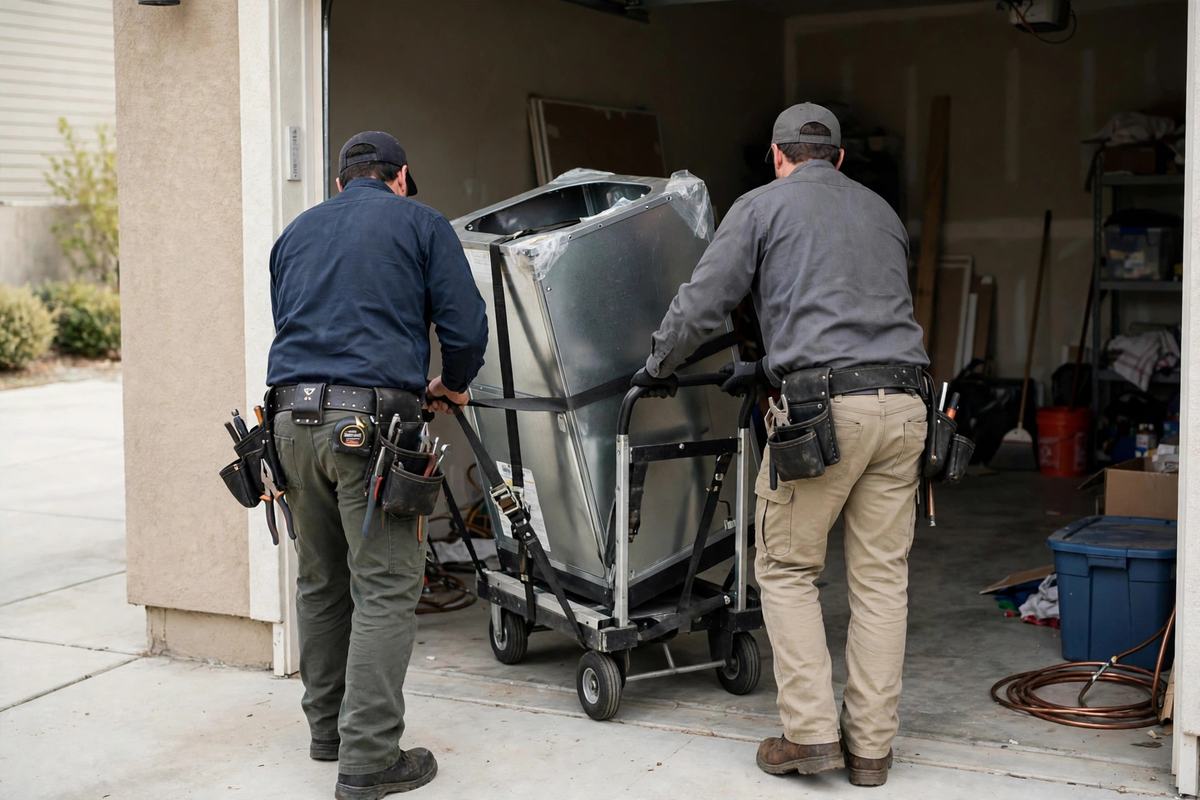
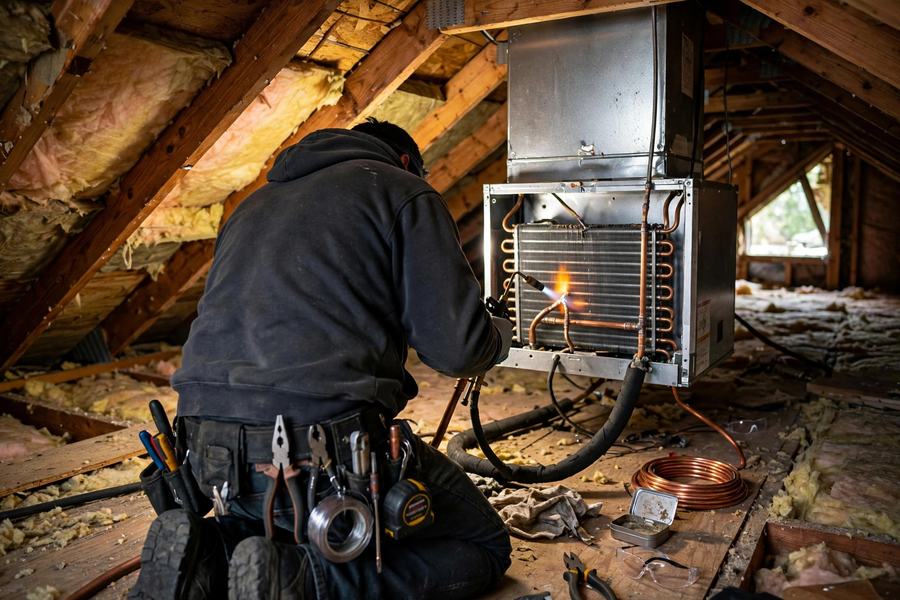
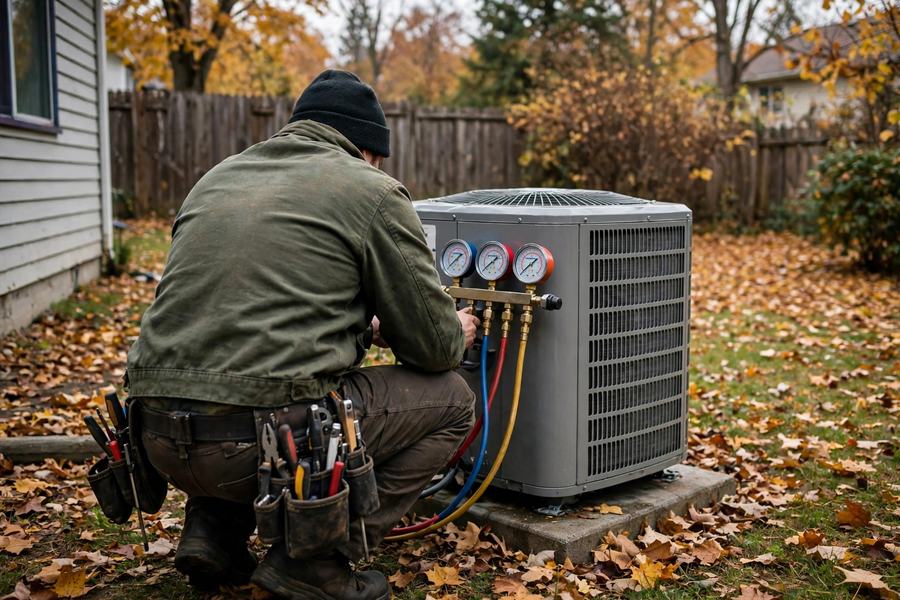
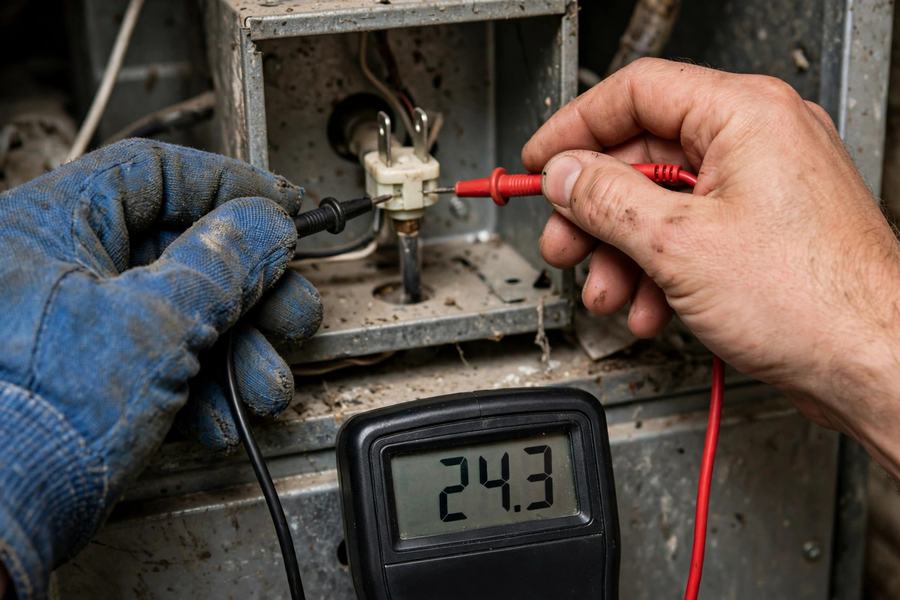
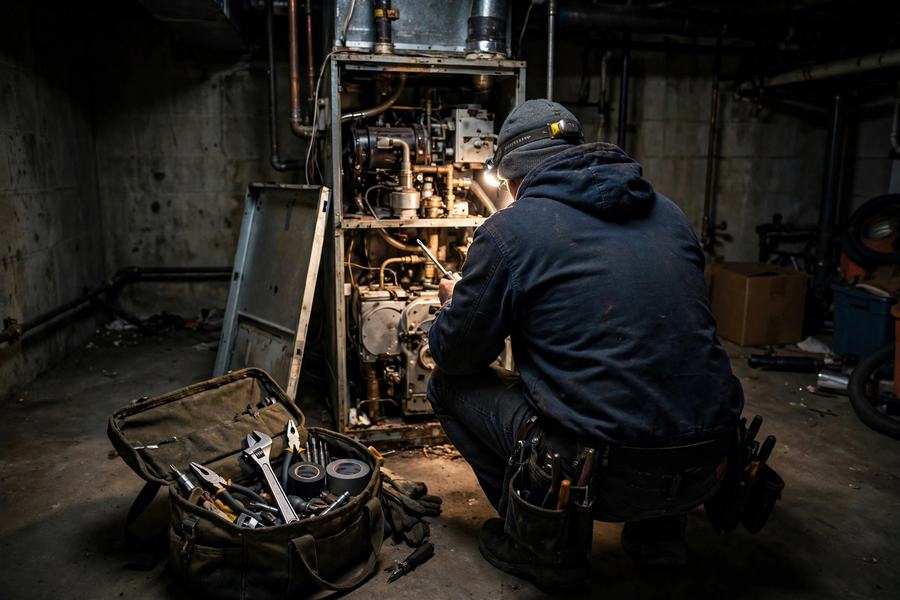
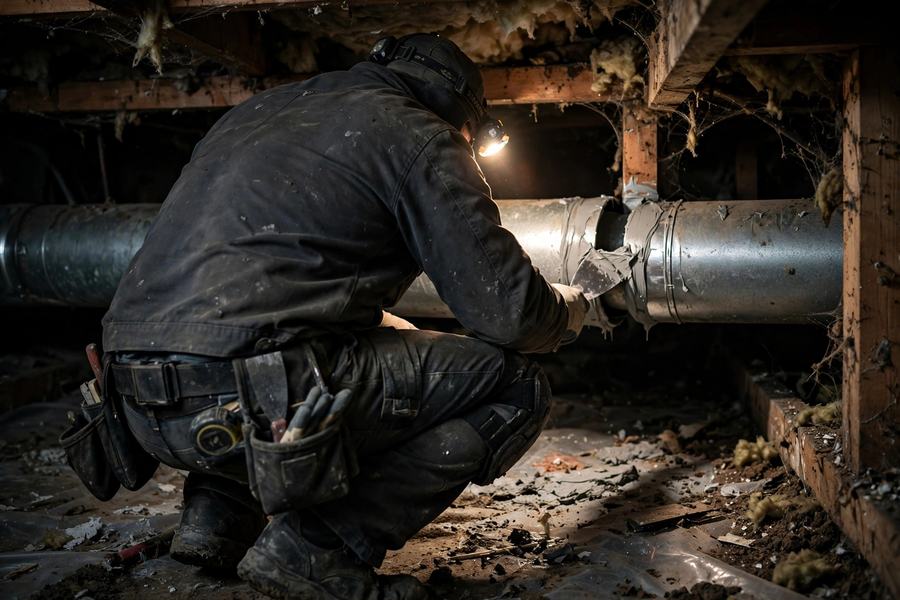
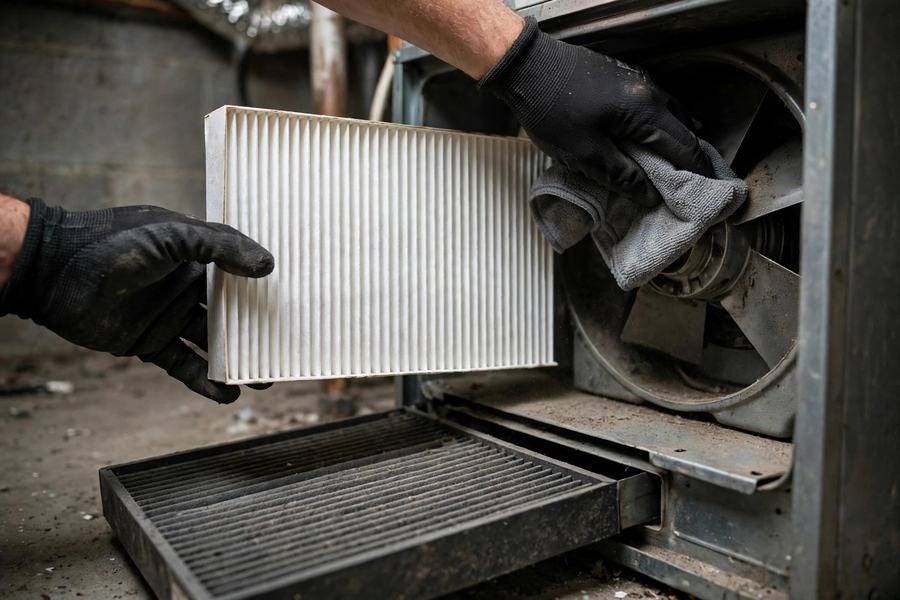
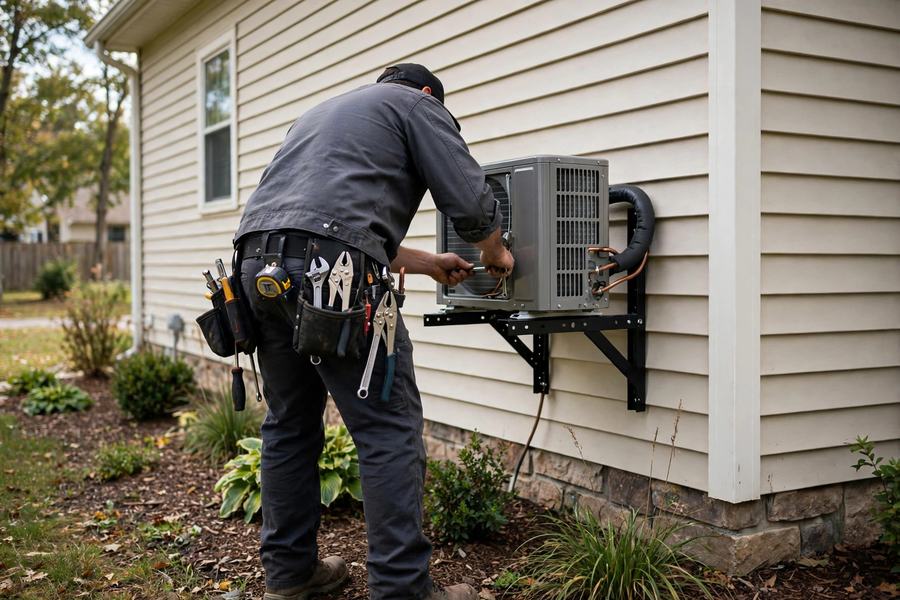
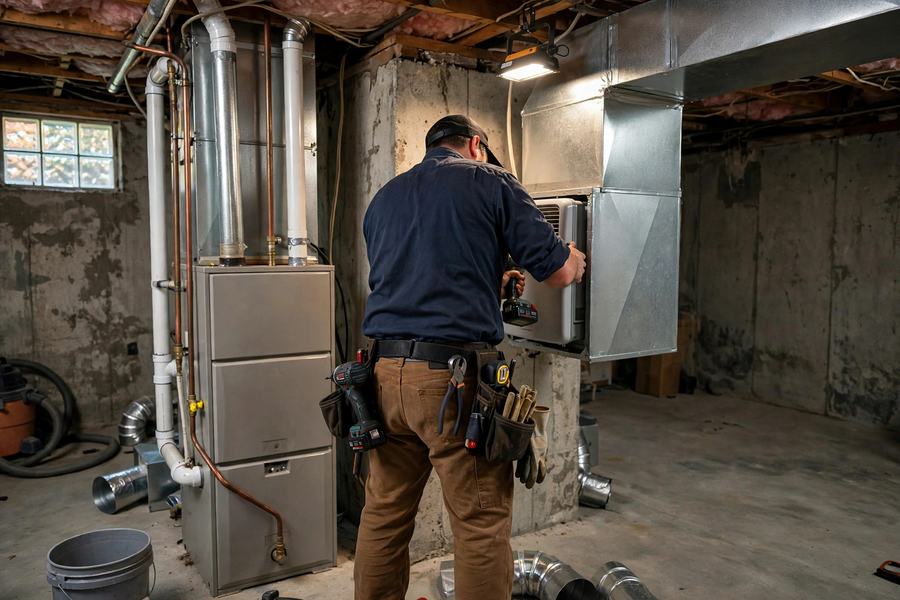
HVAC system service and inspection. Illustrative trade photo.
Serving Brandon ZIP codes 33508, 33509, 33510, 33511, across the Bell Shoals service area and the neighborhoods named below.
Brandon HVAC calls divide by load. Near nonstop summer runtime wears the same components across the ranch stock, condensate overflows flood handler closets in the planned communities, and older ductwork leaks cooled air into hot attics. In Brandon the deciding local variable is this: near nonstop summer runtime wears capacitors and blower motors across the ranch stock in the same heat weeks, humidity loads make condensate drain overflows a weekly call in the planned communities, and older ductwork in the central homes leaks cooled air into hot attics. This 2027 guide is compiled from the latest published national figures and local data for the covered ZIP codes 33508, 33509, 33510, 33511.
Nothing. The call and the referral are free, and there is no obligation to hire anyone.
Only after the pro has seen the job and you have approved a written estimate. Approving the price is always your decision.
An independent local contractor who takes this kind of work in Brandon. You deal with them directly, and you can verify licensing and insurance before hiring.
No. This service is run by a US based routing team. Real people here route your call to a local pro.
runtime writes the Brandon file for AC Repair: systems here run near nonstop through the humid season, so wear, drain load, and duct loss are read as one system story. The diagnosis names which of the three is driving this call before any part is priced.
Call PLACEHOLDER
runtime writes the Brandon file for HVAC System Replacement: systems here run near nonstop through the humid season, so wear, drain load, and duct loss are read as one system story. The diagnosis names which of the three is driving this call before any part is priced.
Call PLACEHOLDER
runtime writes the Brandon file for Heat Pump Repair & Installation: systems here run near nonstop through the humid season, so wear, drain load, and duct loss are read as one system story. The diagnosis names which of the three is driving this call before any part is priced.
Call PLACEHOLDER
runtime writes the Brandon file for Furnace & Heating Repair: systems here run near nonstop through the humid season, so wear, drain load, and duct loss are read as one system story. The diagnosis names which of the three is driving this call before any part is priced.
Call PLACEHOLDER
runtime writes the Brandon file for Emergency HVAC Service: systems here run near nonstop through the humid season, so wear, drain load, and duct loss are read as one system story. The diagnosis names which of the three is driving this call before any part is priced.
Call PLACEHOLDER
runtime writes the Brandon file for Ductwork Repair & Replacement: systems here run near nonstop through the humid season, so wear, drain load, and duct loss are read as one system story. The diagnosis names which of the three is driving this call before any part is priced.
Call PLACEHOLDER
runtime writes the Brandon file for HVAC Tune-Up & Maintenance: systems here run near nonstop through the humid season, so wear, drain load, and duct loss are read as one system story. The diagnosis names which of the three is driving this call before any part is priced.
Call PLACEHOLDER
runtime writes the Brandon file for Ductless Mini-Split Installation: systems here run near nonstop through the humid season, so wear, drain load, and duct loss are read as one system story. The diagnosis names which of the three is driving this call before any part is priced.
Call PLACEHOLDER
runtime writes the Brandon file for Indoor Air Quality & Filtration: systems here run near nonstop through the humid season, so wear, drain load, and duct loss are read as one system story. The diagnosis names which of the three is driving this call before any part is priced.
Call PLACEHOLDERDescribe what you are seeing. One free call connects you with an independent local pro who can assess it in person.
PLACEHOLDERIn Brandon, the 2027 price of a HVAC job is set by the local pattern (heat week component wear, condensate overflows, and leaky older ductwork drive the call pattern) and the stock it serves, checked against the latest published national figures.
See cost ranges and how insurance paysIn order of how often they are found: a clogged filter or blocked airflow, a failed capacitor or fan component, low refrigerant from a leak (refrigerant is not consumed; low means leaking), a frozen coil from any of the above, and duct failures dumping cooled air into the attic. Runtimes of many hours without reaching the set point are the classic forum complaint and they sort into the same list. Turn a frozen system off and run the fan to thaw it, and never approve a refrigerant recharge without a leak search; topping off a leaking system is a subscription, not a repair.
The furnace starts in a sequence, and clicking without heat means one step failed: the inducer proves the vent, the igniter glows or sparks, the gas valve opens, and the flame sensor proves flame. A sensor filmed with oxide, a cracked igniter, and a failing inducer motor are the common findings, roughly in that order, and each is a part level repair. What it is not, usually, is the thermostat. If you smell gas at any point, stop: leave, and call the gas utility or emergency services before any repair call.
Use the arithmetic the trade uses: multiply the repair quote by the system's age in years. Past roughly 5,000, replacement usually wins; well under, repair usually wins. A $400 repair on a 15 year old system (6,000) sits on the line; a $1,800 compressor on the same system (27,000) is well past it. Add the condition evidence: refrigerant type on older cooling systems, duct condition, and whether this is the first major repair or the third. Any company should show you both prices in writing; a replacement pitch without a repair price is a sales call, not a diagnosis.
Published national guides put full system replacement commonly between $5,000 and $12,500 or more installed, with size, efficiency tier, fuel type, and duct work deciding where a house lands. Single component repairs run $150 to $650 for most findings, and a diagnosis visit runs $75 to $200. The honest quote separates equipment, duct corrections, and electrical or venting changes into lines, because the duct line is where replacement quotes quietly differ by thousands between companies measuring the same house.
Turn the cooling off and run the indoor fan. A frozen coil is a symptom, usually of low airflow (filter, blower, closed or blocked vents) or low refrigerant from a leak, and running the system frozen risks the compressor, the most expensive part in the system. Let it thaw fully (hours, not minutes) before a technician tests it, because readings on a frozen coil lie. Do not chip the ice. If it freezes again after a filter change, the cause is refrigerant side or blower side, and that is a diagnosis visit, not another thaw.
Once a year per function: cooling before the heat season, heating before the cold season, which for most homes means one or two visits a year. The work that matters is unglamorous: coils cleaned, the condensate drain flushed (its failure is the one that floods ceilings), electrical components tested against readings, and safety controls proven on heating equipment. Shoulder season scheduling is the practical advice: the same visit in the first heat wave joins a queue of people whose systems already failed.
Only when a covered event causes it. Wear, age, and mechanical failure are maintenance and are not covered anywhere. Lightning strikes and power surge damage from a storm event, and fire or storm damage to equipment, are the covered kind, subject to your deductible, and they need documentation: the storm date, the surge evidence, and a technician's finding that ties the failure to the event. A compressor that dies of age in the same week as a storm is still age unless the electrical evidence says otherwise, which is why the diagnosis report matters.
Probably not on that evidence alone. Heat pumps deliver air at roughly 90 to 100 degrees, below skin temperature, so it feels cool on your hand while still heating the house; a furnace delivers noticeably hotter air in shorter bursts. The real tests are whether the house holds its set point, whether ice on the outdoor unit clears in defrost, and whether auxiliary heat is running constantly (the electric bill notices that one). If the house drifts colder while the unit runs, or the unit stays iced, that is a service call with a real fault behind it.
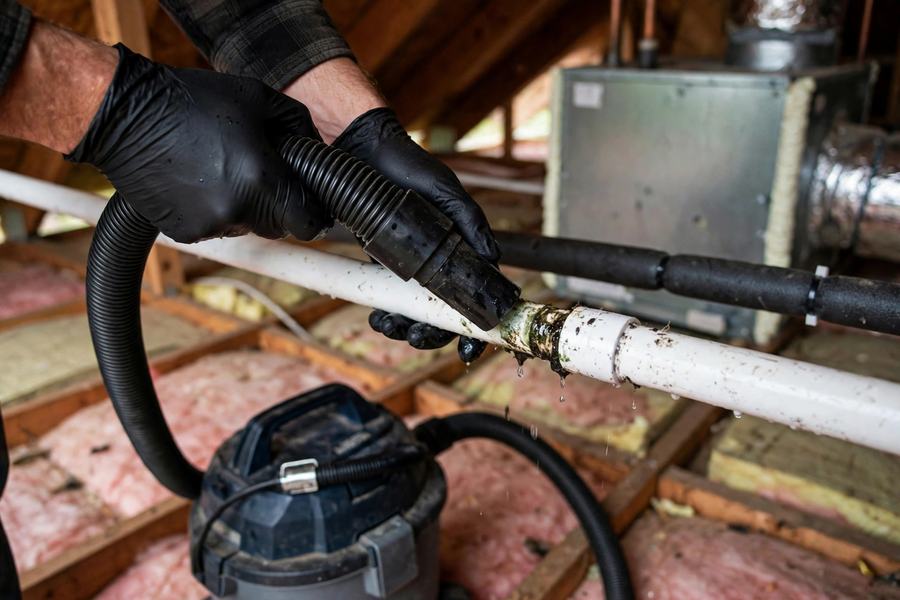
The Condensate Drain Problem in Brandon Attics: If the air handler closet shows water, photograph the drain pan and the floor before...
Capacitors, Contactors, and Brandon Summers: If the system loses ground every afternoon, note the hour it falls behind and which rooms...
This is a US run service. Its US based team routes every call by hand, which is a different model from offshore lead farms that blast your number to bidders.
Prefer to talk later? Leave your details and an independent local pro will call you back. No charge to you, no obligation.
Bell Shoals Air is a free referral service. Submitting this form connects you with independent local contractors who provide the work.
Calls are answered 24/7. One call connects you with an independent local pro.
PLACEHOLDER